Drone cinematography has become an essential tool in modern documentary filmmaking.
By capturing aerial perspectives, filmmakers can reveal landscapes, environments and scale in ways that traditional ground cameras can’t achieve.
Aerial shots are often used to establish locations, introduce environments and create cinematic transitions between scenes.
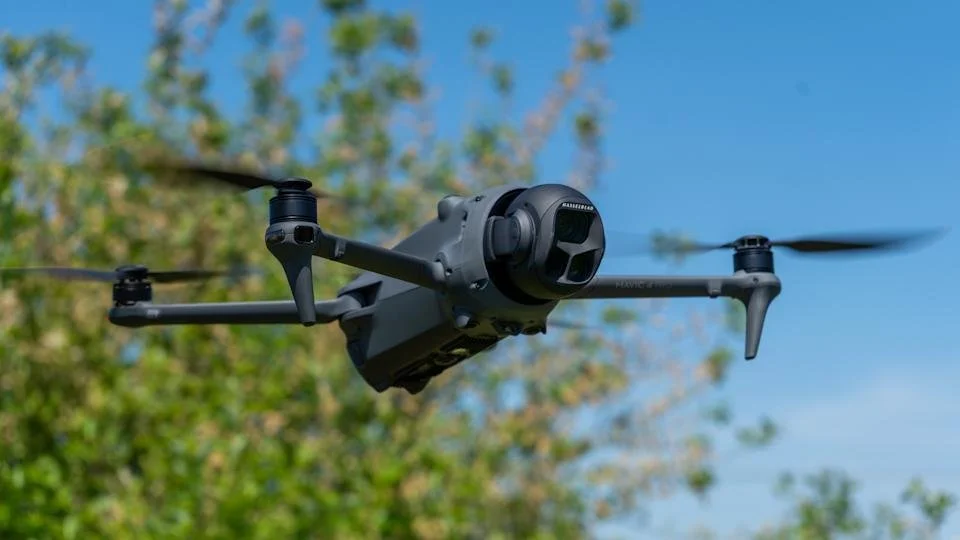
In documentary filmmaking, drone cinematography is most effective when it serves the story rather than simply creating visually impressive shots. Aerial perspectives can establish geography, reveal the relationship between people and their environment and add rhythm to visual storytelling. When used carefully, drone shots help audiences understand the scale and context of a location while maintaining a cinematic flow within the sequence.
When Drone Shots Work Best in Documentaries
Drone shots are particularly powerful when they are used to introduce a location or transition between scenes. A slow reveal of a coastline, a wide aerial view of a landscape or a tracking shot over terrain can provide viewers with an immediate sense of place.
In many documentary productions, these aerial moments help audiences understand the environment before moving into closer character-driven scenes.
Planning Aerial Shots
Unlike controlled film productions, documentary filmmaking often requires fast decision-making. Weather conditions, wind, lighting and safety considerations all affect when and how a drone can be used.
Before launching a drone, it is important to evaluate the environment, identify safe take-off areas and plan the movement of the shot. Even simple aerial movements can become powerful storytelling tools when they are carefully timed within a sequence.
Movement and Visual Storytelling
Drone cinematography allows filmmakers to introduce smooth cinematic movement that can guide the viewer’s attention through a scene. Slow forward motion, reveal shots and gentle tracking movements can add visual depth to documentary storytelling.
When combined with strong composition and natural light, aerial footage can dramatically enhance the visual language of a film.
Conclusion
Drone cinematography has become an important visual tool in modern documentary filmmaking. By capturing perspectives that are otherwise difficult to achieve, drones allow filmmakers to reveal landscapes, environments and scale in a cinematic way.
When used with purpose and restraint, aerial footage can strengthen storytelling and help audiences experience a location from a broader perspective.